 English
 हिंदी
हिंदी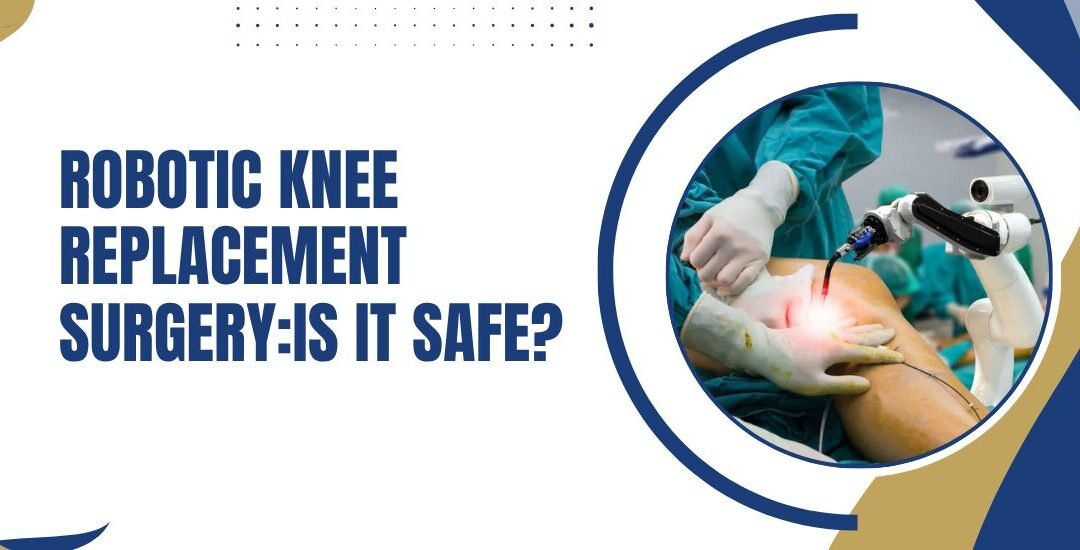
Yes, robotic knee replacement is highly safe. The robotic arm works within pre-set surgical boundaries, so vital soft tissues stay protected throughout the procedure. Sub-millimetre precision means less blood loss, less soft tissue trauma, and faster recovery than what traditional surgery typically delivers.Still, patients ask the right question when they ask about safety. Knowing what actually happens during the procedure, and what risks remain, matters more than reassurance alone.
According to an orthopedic doctor in Firozabad, Dr. Parv Mittal, “Robotic assistance gives us sub-millimetre precision that manual surgery can’t consistently replicate. The implant sits exactly where it should, and that alignment directly affects how long it lasts and how well the patient recovers.”
How does robotic guidance actually make knee surgery safer?
The surgeon is in control. Always. The robot doesn’t operate independently; it enforces the plan.
Before surgery, the system scans the knee and maps exact bone anatomy. A surgical plan gets built around that scan. Once the procedure begins, the robotic arm physically restricts movement outside those pre-set boundaries. The instrument cannot stray.
Implant placement: A few degrees off can mean uneven load, faster wear, pain within years. Robotic systems place implants to within fractions of a millimetre. That accuracy is what makes the difference between a knee that lasts 20 years and one that needs early revision.
Soft tissue: Ligaments, vessels, healthy bone outside the target zone stay untouched. The boundary is hard. The instrument can’t cross it.
Blood loss: Tighter, more precise cuts mean less tissue disruption. Less disruption means less bleeding. Studies consistently back this up.
Recovery speed: Patients go home sooner. One 2024 study put the difference at nearly half a day shorter hospital stay, with lower complication rates across the board.
More on the procedure at this page on robotic knee surgery in Firozabad.
What risks come with robotic knee replacement?
Infection: It’s a risk with any joint surgery. Robotic procedures don’t eliminate it, though infection rates are comparable to or better than conventional surgery. Post-operative wound care is where patients can make a real difference.
Blood clots: DVT remains a risk after major joint surgery. Blood thinners and early walking reduce it significantly. Most patients are on their feet within a day of surgery.
Implant loosening over time: Better placement helps long-term outcomes, but implants eventually wear. Younger or more active patients may need a revision surgery years down the line.
Nerve sensitivity: Numbness or tingling near the knee is reported by some patients after surgery. It typically settles within a few weeks. Permanent nerve damage is rare.
Cost: The procedure costs more than conventional knee replacement. For patients who get a well-placed implant that holds up for decades, that difference tends to balance out.
For patients dealing with fractures or bone trauma on top of joint problems, this page on fracture and trauma treatment in Firozabad explains how both can be addressed together.
Book a Consultation today to learn if robotic knee replacement surgery is a safe and right choice for you.
Why do patients in Firozabad choose Dr. Parv Mittal?
Dr. Parv Mittal did his M.S. in Orthopaedic Surgery from Maulana Azad Medical College, holds an MRCS from the UK, and a DNB in Orthopaedics from the National Board of Examinations. His fellowship in robotic-assisted knee and hip arthroplasty was completed at Tan Tock Seng Hospital in Singapore, one of Asia’s top joint replacement training centres.
That level of training is rare in a city like Firozabad. Patients get access to robotic surgical expertise without travelling to Delhi or Mumbai. The process here is thorough: proper pre-operative assessment, honest conversations about what surgery will and won’t fix, and a rehab plan designed around how that particular patient recovers.

Frequently Asked Questions
Does every knee patient qualify for robotic surgery?
Not every patient, no. Dr. Parv Mittal looks at bone quality, body weight, overall health, and how the joint has actually broken down before deciding. Some cases are better handled differently, and that gets talked through honestly during the consultation.
Will the surgery take longer because of the robotic setup?
With a trained surgeon, no. Most procedures wrap up in 60 to 90 minutes. The planning work happens before the patient enters the theatre, so it doesn’t add time on the table.
When can I expect to walk after the surgery?
Day one or day two for most patients, with support. Getting back to regular daily activities on your own typically takes anywhere from six weeks to three months. Age and how consistently you do the rehab exercises makes a bigger difference than most people expect.
What if I need revision surgery down the road?
Revision is less likely after robotic surgery because the implant was placed correctly the first time. If it does become necessary years later, the detailed records from the robotic procedure make planning that revision much simpler than starting from scratch.
Disclaimer:
This content is for general information only and does not replace medical advice. Consult Dr. Parv Mittal or a qualified orthopaedic surgeon for an assessment of your condition.