
 English
 हिंदी
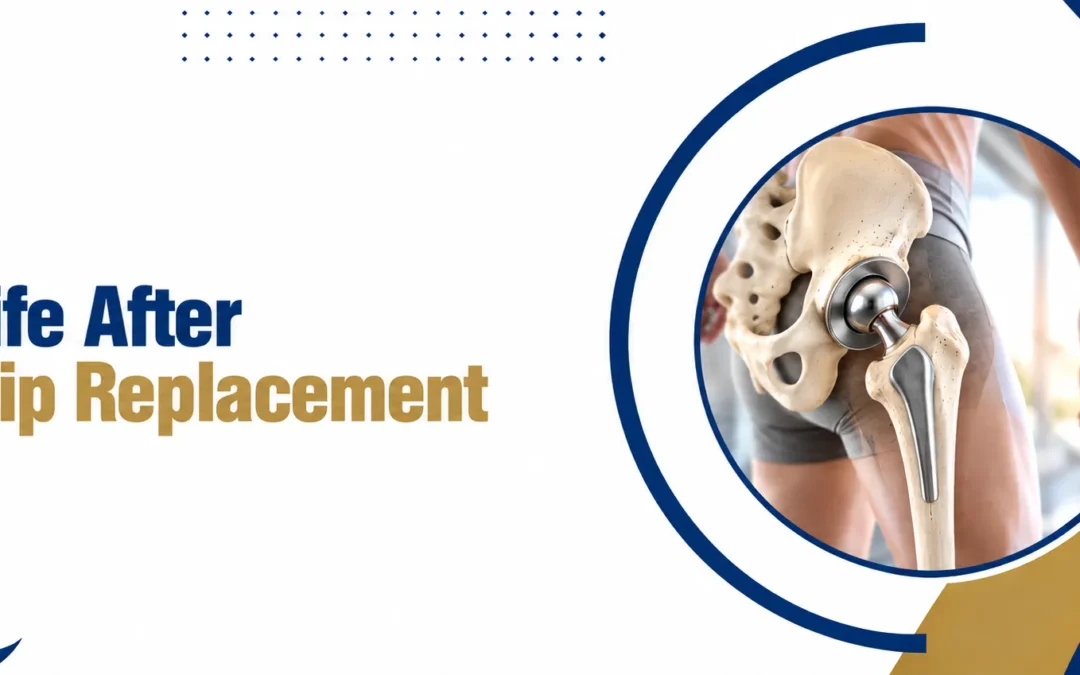
Undergoing hip replacement surgery in Firozabad is a major step toward a pain-free, active life, but many patients worry about what recovery actually looks like once they leave the operating table. The truth is that recovery is gradual and predictable when it is guided properly, and most patients are surprised by how quickly they regain independence in the first few months, whether their surgery followed years of arthritis or a traumatic hip fracture.
This guide walks you through what to expect in the first three months after hip replacement, week by week, so you know exactly what “normal” recovery looks like and when to reach out to your surgeon. If you’re still weighing up the decision and want a broader look at timelines before surgery, our earlier guide on how long hip replacement recovery takes is a good starting point alongside this one.
“Recovery after hip replacement is not a race. Patients who follow a structured, gradual plan almost always regain more strength, more confidence, and better long-term function than those who try to rush back too soon.” — Dr Parv Mittal, Consultant Orthopedic Surgeon, Firozabad
What Happens Immediately After Surgery?
The first 48 to 72 hours are focused on pain control, wound care, and getting you moving safely under supervision.
- Hospital stay: Most patients stay 2 to 4 days, depending on age, general health, and how surgery went.
- First walk: With a walker or crutches, many patients take their first assisted steps within 24 hours of surgery.
- Pain management: A combination of medication and ice therapy keeps discomfort manageable from day one.
- Physiotherapy begins early: A physiotherapist introduces gentle hip and leg exercises while you are still in the hospital.
Week 1–2: The First Steps at Home
Once discharged, the focus shifts to protecting the new joint while gradually increasing movement.
What to expect
- Mobility aids: A walker or crutches are typically used for the first two weeks.
- Swelling and bruising: Normal around the hip and thigh, and it settles gradually with rest and elevation.
- Wound care: Keeping the incision clean and dry, with a follow-up visit to check healing and remove stitches or staples.
- Home exercises: Simple ankle pumps, seated leg raises, and short supported walks several times a day.
Precautions during this phase
- Avoid crossing your legs or bending the hip beyond 90 degrees.
- Use a raised toilet seat and firm chairs to protect the joint.
- Sleep with a pillow between the knees if advised by your surgeon.
Week 3–6: Building Strength and Confidence
This is the phase where most patients notice a real turning point: pain reduces steadily, and daily tasks become easier.
- Reduced reliance on aids: Many patients transition from a walker to a cane around week 3 to 4.
- Structured physiotherapy: Exercises progress to strengthening the hip, thigh, and core muscles.
- Return to light activity: Short outdoor walks, light household chores, and, for some patients, a gradual return to desk-based work.
- Driving: Usually possible from around 4 to 6 weeks, once reflexes and hip control have returned, and only with your surgeon’s clearance.

Month 2–3: Returning to Normal Life
By the second and third month, most patients are walking without support and resuming the majority of their normal routine.
- Walking unaided: Most patients no longer need a cane by 6 to 8 weeks.
- Stairs and uneven ground: Become noticeably easier with continued strengthening exercises.
- Low-impact activities: Swimming, stationary cycling, and brisk walking are usually encouraged by this stage.
- Full recovery ahead: While most day-to-day function returns by 3 months, final muscle strength and stamina continue to improve for up to a year. For a more detailed week-by-week breakdown of what “full recovery” really means, see our guide on recovery timelines after hip replacement surgery.
Occasionally, recovering patients notice unrelated stiffness or catching in the knee from favouring one leg during rehab. This is usually minor and resolves with the physiotherapy above, but persistent knee symptoms are worth a separate check, since they are sometimes managed with minimally invasive options like arthroscopy rather than open surgery.
Recovery Timeline at a Glance
Timeframe | Mobility | Typical Milestones |
Day 1–3 | Walker, hospital supervision | First assisted steps, pain control, wound care begins |
Week 1–2 | Walker or crutches | Home exercises, stitch removal, swelling reduces |
Week 3–6 | Cane, reducing support | Strength training, light chores, driving clearance |
Month 2–3 | Walking unaided | Stairs, low-impact activity, return to most routines |
Up to 1 Year | Full activity | Peak strength and stamina, long-term outcomes stabilize |
Tips for a Faster, Safer Recovery
- Follow your physiotherapy plan consistently, even on low-pain days.
- Maintain a protein-rich diet to support tissue healing.
- Avoid high-impact activity until your surgeon clears you.
- Attend every follow-up visit, even if you feel completely fine.
Warning Signs You Shouldn't Ignore
Most recoveries progress smoothly, but a few symptoms should always be reviewed promptly by your surgeon rather than dismissed as normal soreness.
Contact your surgeon if you notice:
- Increasing redness, warmth, or discharge from the incision
- Fever, chills, or sudden increase in pain after a pain-free period
- Persistent swelling in the calf, or new calf pain and tenderness
- A sudden clicking, locking, or feeling of instability in the hip
Why Choose Dr Parv Mittal for Hip Replacement Recovery Care in Firozabad
Dr Parv Mittal is a trusted orthopedic specialist in Firozabad with M.S. Orthopedic Surgery, MRCS (UK), and DNB Orthopedics, supported by 10+ years of experience across reputed hospitals in New Delhi. Beyond hip replacement surgery, his practice covers the full range of joint and bone care patients often need alongside or after their recovery — from total knee replacement and robotic-assisted knee surgery for patients managing joint issues on both sides of the body, to fracture and trauma care for those whose hip replacement followed an injury, and arthroscopy for minor joint problems that come up during rehab. This breadth means patients get a recovery plan built around their whole musculoskeletal health, not just the operated hip.
Patients are guided through every stage of recovery, from the first hospital walk to their return to daily life, with clear milestones and honest answers at each follow-up.
Ready to plan your recovery journey? Call +91 99908 48807

Speak to Dr Parv Mittal directly.