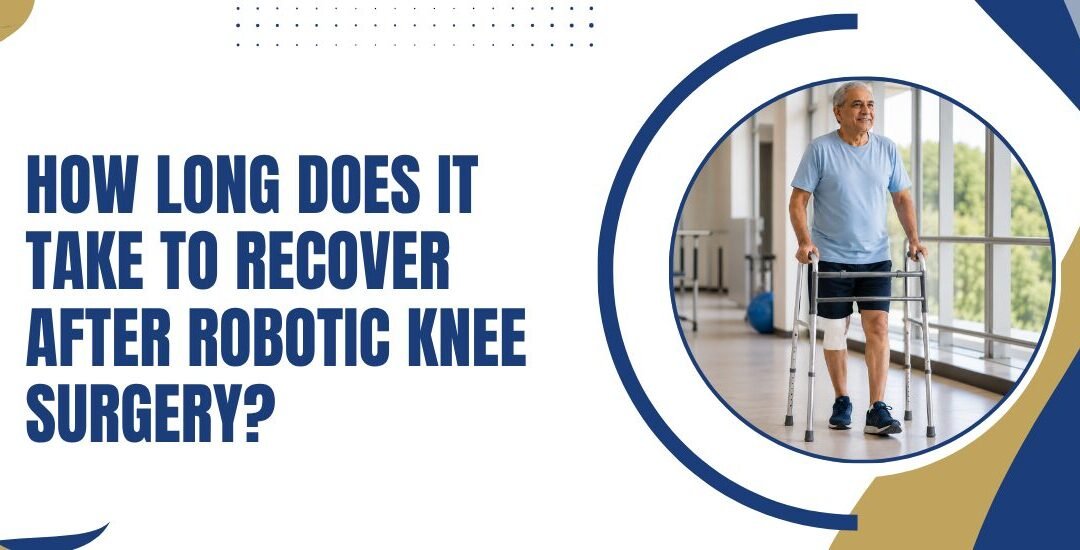
Most patients return to their daily routine within three to six months after robotic knee surgery, though deeper tissue healing continues for close to a year. Early milestones move fast though. Standing happens within a day, walking unaided by four to six weeks, and...
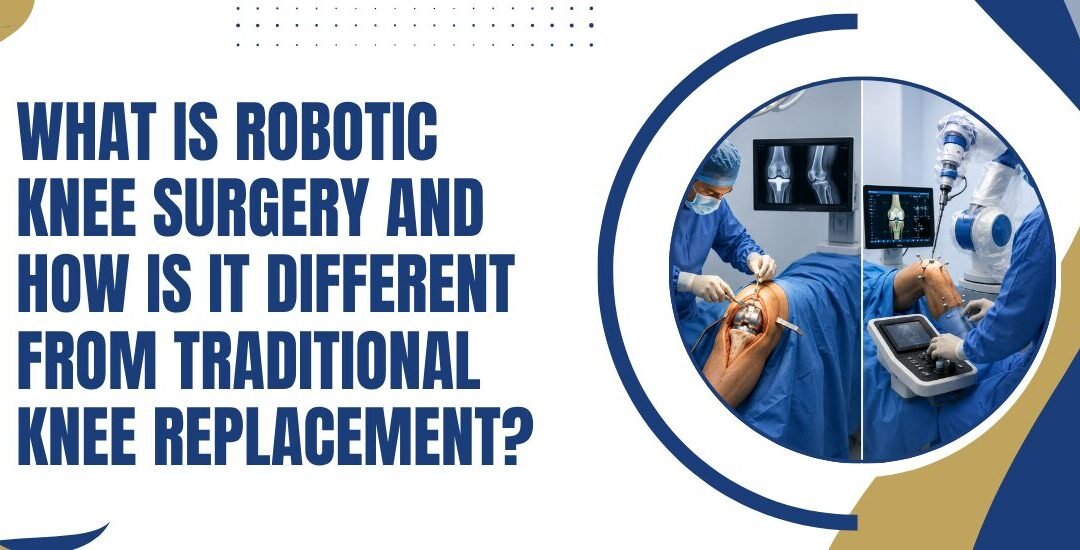
Robotic knee surgery uses a computer guided arm that helps the surgeon plan and place the implant with a level of precision the human hand alone can’t consistently match. Data comparing the two approaches shows robotic assisted replacements land closer to ideal...
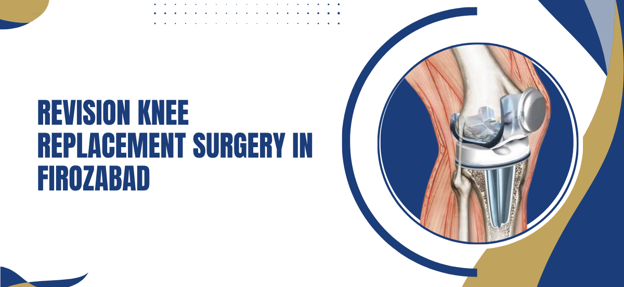
A knee replacement is designed to last 15 to 20 years for most patients, but no implant is permanent. When the original prosthesis wears out, loosens, becomes infected, or stops functioning correctly, a second operation may be required. This procedure is called...
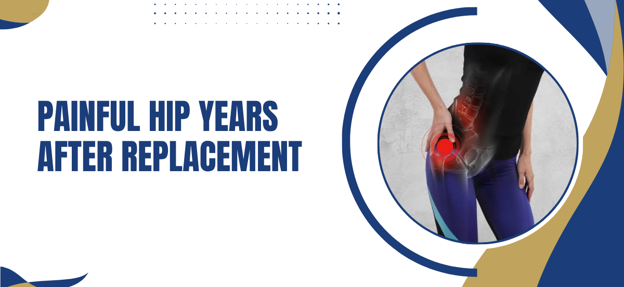
A hip replacement is designed to last between 15 and 25 years, and most patients enjoy years of pain-free movement after surgery. When pain returns years later, however, it should not be dismissed as a normal part of ageing or post-operative wear. Late hip pain is...
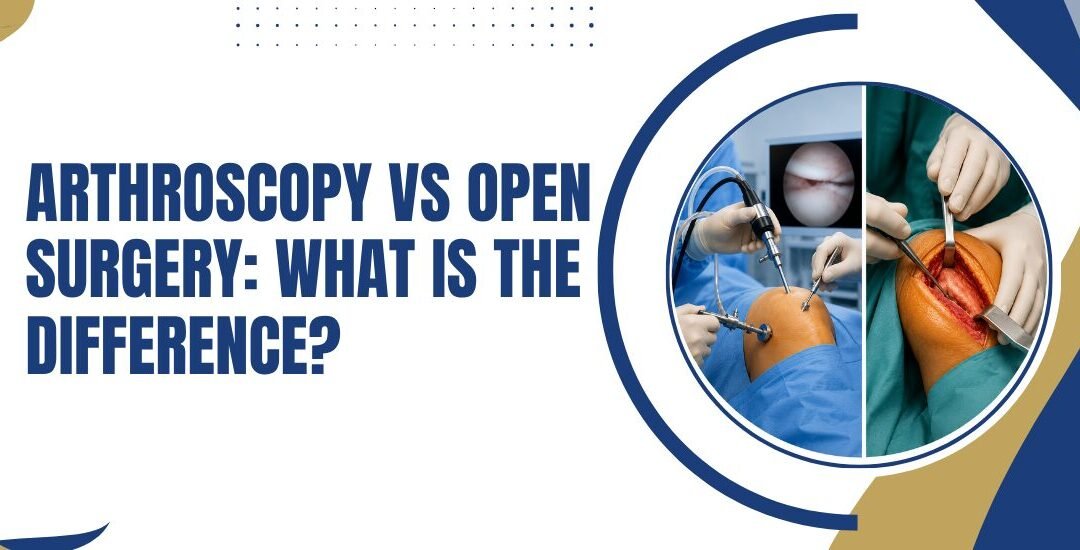
Arthroscopy uses small incisions and a tiny camera to work inside a joint. Open surgery cuts wider for direct access. Less pain, smaller scars, faster recovery that’s the arthroscopy side of it. But some conditions simply can’t be fixed through a keyhole....
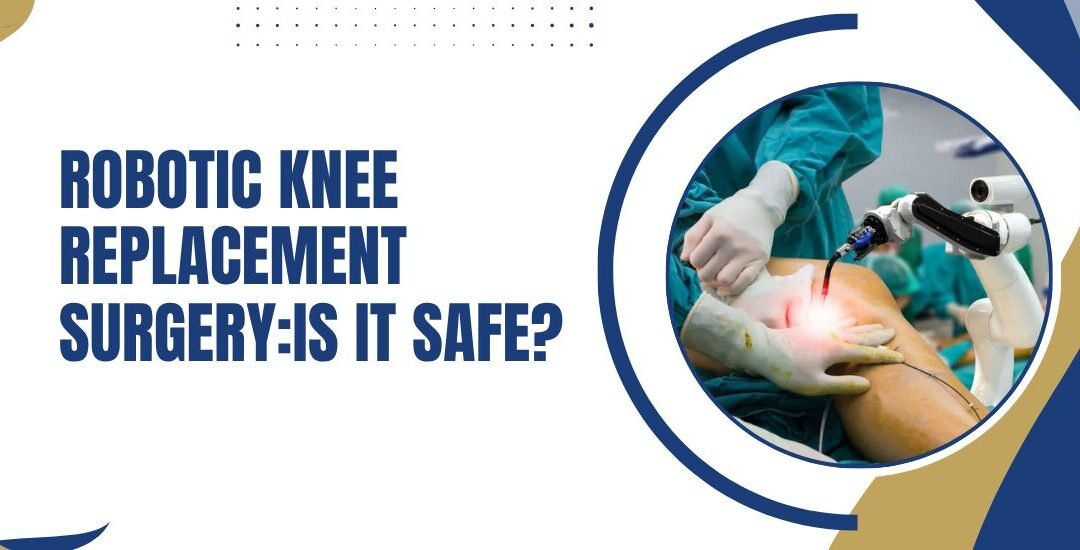
Yes, robotic knee replacement is highly safe. The robotic arm works within pre-set surgical boundaries, so vital soft tissues stay protected throughout the procedure. Sub-millimetre precision means less blood loss, less soft tissue trauma, and faster recovery than...

 English
 हिंदी
हिंदी