
 English
 हिंदी
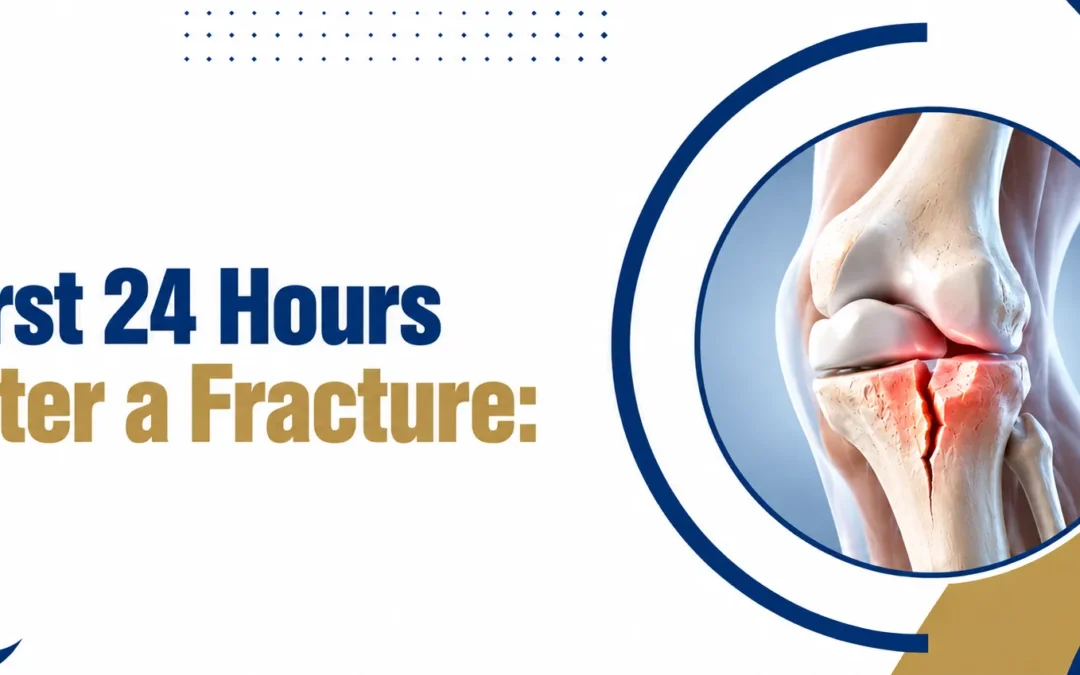
A fracture is a break or crack in a bone. It can happen after a fall, road accident, sports injury, or a sudden twisting movement. Some fractures are small cracks, while others can cause the bone to move out of its normal position or break through the skin.
The first 24 hours after an injury are important for protecting the injured area, controlling swelling, and identifying any signs that need urgent medical attention. Avoiding unnecessary movement and getting the injury assessed promptly can also help prevent further damage.
If you suspect a fracture, do not try to straighten the injured area yourself. Keep it as still as possible and arrange an orthopedic evaluation, particularly if there is severe pain, swelling, deformity, or difficulty using the affected limb.
“After a suspected fracture, the priority is to protect the injured area and avoid putting unnecessary pressure on it. An examination and appropriate imaging can help determine whether the bone is fractured and what treatment is needed.” — Dr. Parv Mittal, Consultant Orthopedic Surgeon, Firozabad
What Exactly Happens in a Fracture?
A bone can withstand a considerable amount of force, but a sudden or excessive force can cause it to crack or break.
- The injury: Fractures can occur because of falls, direct blows, road accidents, twisting injuries, or repeated stress on a bone.
- Swelling: Blood vessels and surrounding tissues can be damaged during the injury, causing swelling and bruising.
- Pain: Fractures commonly cause pain around the injured area, particularly when the limb is moved or used.
- Loss of function: Depending on the location and severity of the fracture, you may have difficulty walking, lifting, gripping, or moving the affected area.
- Healing: Bone can repair itself, but the broken parts may need to be kept properly aligned and stable while healing takes place.
The severity of a fracture and the condition of the surrounding tissues determine how it should be treated.
What Are the Symptoms of a Fracture?
A fracture does not always look obvious. Some symptoms may appear immediately, while swelling and bruising can become more noticeable over the following hours.
- Pain around the injured area
- Swelling and bruising
- Difficulty moving or using the affected limb
- Pain while putting weight on the injured leg or foot
- Tenderness over the bone
- A visible change in the shape or position of the limb
- Numbness or tingling
- A grinding or grating sensation with movement
A severe injury can also damage nearby muscles, ligaments, nerves, or blood vessels. This is why an orthopedic assessment is important when a fracture is suspected.
Not sure whether an injury is a fracture or a severe sprain? An examination can help determine what treatment is needed.
What to Do in the First 24 Hours
Stop using the injured area
Avoid walking on or putting unnecessary pressure on the injured limb. Do not repeatedly move the area to check whether it is fractured, as this can increase pain and potentially worsen the injury.
Keep the area still
Use a splint or firm support to keep the injured area as stable as possible until you receive medical attention. Do not attempt to straighten, push, or realign a visibly deformed bone.
If the injury is severe or the bone has broken through the skin, seek emergency medical care rather than trying to manage it yourself.
Apply a cold pack
A cold pack wrapped in a cloth can help reduce pain and swelling. Apply it for around 15 to 20 minutes at a time.
Never place ice directly on the skin.
Elevate the injured limb
If possible, keep the injured arm or leg raised above the level of your heart. This may help reduce swelling.
Check the fingers or toes
If the injury involves an arm or leg, pay attention to the fingers or toes beyond the injured area. They should not become unusually cold, pale, blue, numb, or increasingly painful.
These changes can indicate a problem with blood flow or nerve function and require urgent medical attention.
How Is a Fracture Diagnosed?
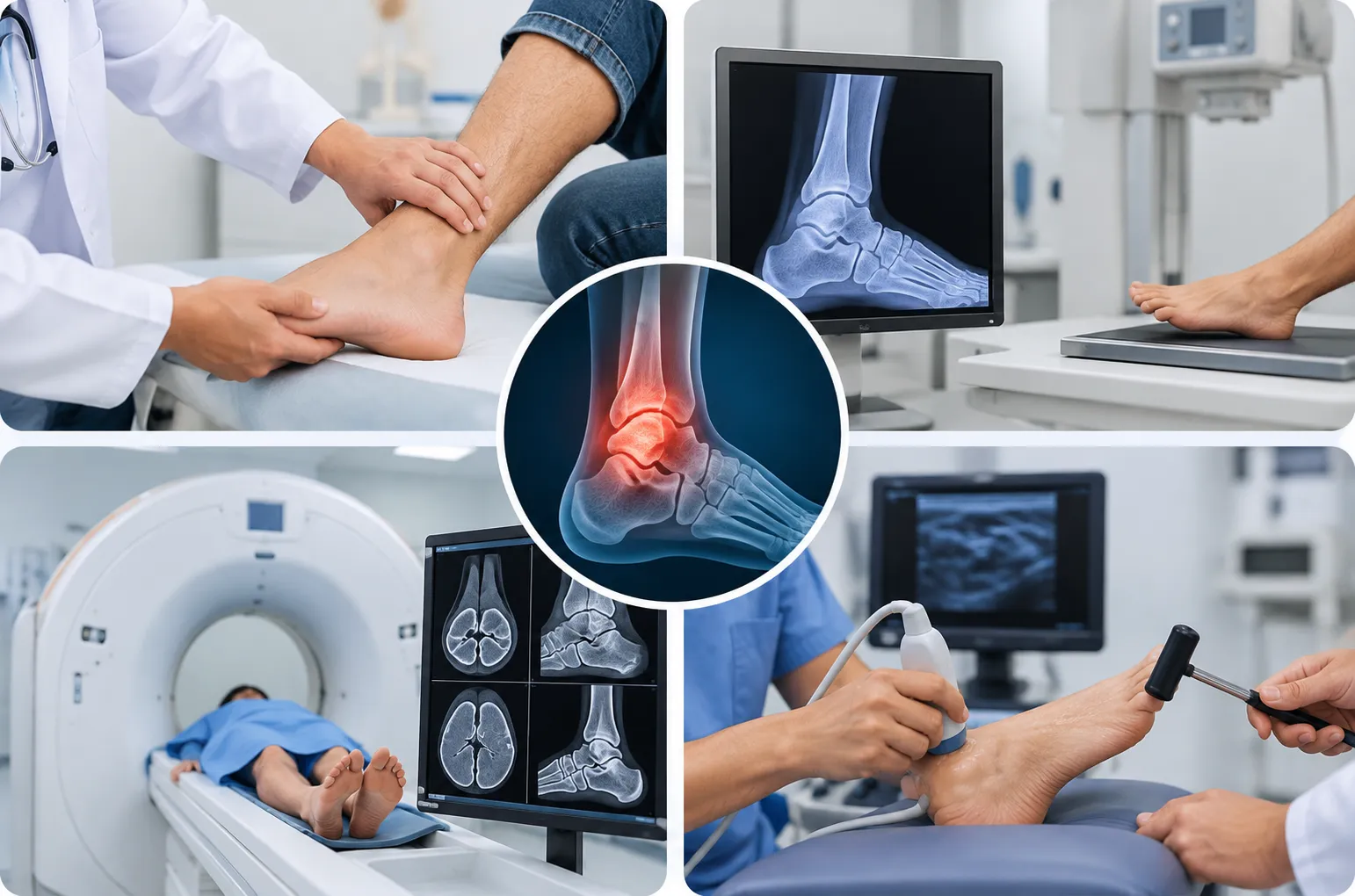
A fracture cannot always be confirmed simply by looking at the injured area. Diagnosis usually involves a physical examination and appropriate imaging.
Physical examination
The doctor checks for swelling, tenderness, deformity, movement limitations, and signs of nerve or blood vessel involvement.
X-ray
An X-ray is commonly used to confirm a fracture and assess its location, alignment, and severity.
CT scan
A CT scan may be recommended for complex fractures, particularly when the fracture involves a joint or when more detailed images are needed.
Additional assessment
The doctor may also examine nearby nerves, blood vessels, joints, and soft tissues to identify other injuries that occurred at the same time.
The results of the examination and imaging help determine whether the fracture can be treated without surgery or requires surgical fixation.
Is Casting Better Than Surgery?
| Feature | Casting or Splinting | Surgical Fixation |
| Main purpose | Supports and protects the bone while it heals | Restores alignment and stabilizes the fracture |
| Commonly used for | Stable or well-aligned fractures | Displaced, unstable, open, or complex fractures |
| How it works | Provides external support | Uses plates, screws, rods, or other fixation devices |
| Main advantage | May allow the fracture to heal without surgery | Can provide stability when non-surgical treatment is unlikely to maintain alignment |
| Recovery | Varies according to the bone and fracture | Depends on the fracture, procedure, and rehabilitation required |
Many fractures can heal successfully with immobilization. Others may need surgery to restore alignment or provide enough stability for proper healing.
The decision should be made after an orthopedic assessment rather than based on pain level alone.
When Should You See a Doctor Immediately?
Some fracture-related injuries require urgent medical attention.
- The bone is visible through a wound in the skin.
- The limb looks severely deformed.
- There is heavy bleeding.
- The fingers or toes become blue, pale, cold, or numb.
- You develop significant numbness or loss of movement below the injury.
- Pain or swelling becomes severe or rapidly worsens.
- You suspect a serious injury to the head, neck, spine, pelvis, or hip.
- You are unable to use the affected limb after a significant injury.
An open fracture, severe deformity, or signs of reduced blood flow should not be managed at home.
Getting appropriate treatment early can help restore alignment, protect surrounding tissues, and reduce the risk of complications.
Why Choose Dr. Parv Mittal for Fracture Treatment in Firozabad?
Dr. Parv Mittal is an orthopedic surgeon in Firozabad with qualifications including M.S. Orthopaedic Surgery, MRCS (UK), and DNB Orthopaedics. He has over 10 years of experience, including clinical experience at hospitals in New Delhi.
His orthopedic practice includes the assessment and management of fractures and other musculoskeletal injuries. Treatment is selected according to the fracture location, severity, alignment, and the patient’s individual needs.
Depending on the injury, treatment may involve immobilization with a splint or cast, medication for pain management, follow-up imaging, rehabilitation, or surgical fixation when required.
If you have sustained an injury and suspect a fracture, an orthopedic assessment can help determine the extent of the injury and the appropriate next step.

Frequently Asked Questions
Can a fracture heal without a cast?
Some stable fractures may not require a traditional cast and can be managed with a splint, brace, or activity restriction. The appropriate method depends on the type and location of the fracture. It is important to have the injury assessed before deciding that immobilization is unnecessary.
How soon should I get an X-ray after an injury?
If you have significant pain, swelling, deformity, tenderness over a bone, or difficulty using the affected limb, you should get medical evaluation promptly. An X-ray may be recommended based on the examination and the nature of the injury.
Is it normal for swelling to get worse before it gets better?
Some swelling during the first few days after an injury is common. However, rapidly increasing swelling, severe pain, numbness, or changes in the color or temperature of the fingers or toes should be assessed urgently.
Can I take painkillers before seeing a doctor?
Some people can safely use common over-the-counter pain medicines, but the appropriate choice depends on your age, medical history, other medicines, and the type of injury. If you regularly take aspirin or another blood-thinning medicine, do not stop it on your own. Tell the doctor what medicines you take so they can advise you appropriately.
How long does it take for a fracture to fully heal?
Healing time varies depending on the bone involved, the type and severity of the fracture, the person’s age and overall health, and the treatment used. Some uncomplicated fractures heal within several weeks, while more complex fractures can take considerably longer. Full recovery of strength and movement may also require additional rehabilitation after the bone has healed.