 English
 हिंदी
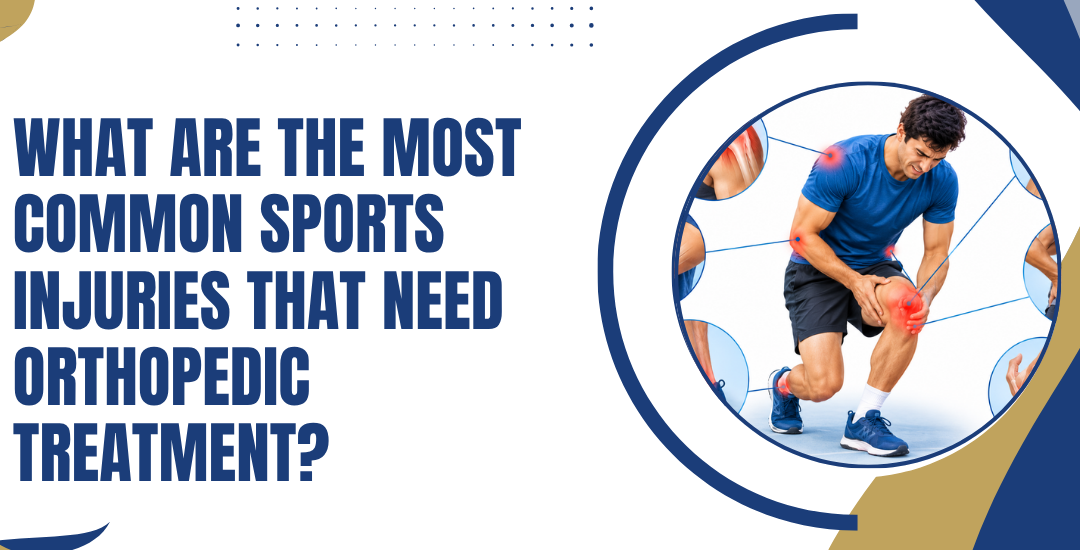
Sports injuries send more people to an orthopedic surgeon than almost anything else, and a handful of patterns show up again and again. Knee ligament tears, ACL especially, top that list. Right behind it, rotator cuff tears in the shoulder. Severe ankle sprains too, along with meniscus damage and the overuse pain that shows up as tennis or golfer’s elbow. Different joints. Different mechanisms. All of them landing under the same umbrella, sports injuries treatment that actually gets people back to moving the way they used to.
According to Dr. Parv Mittal, orthopedic doctor in Firozabad, “Athletes and weekend players end up in my clinic with the same handful of injuries, over and over. ACL tears. Rotator cuff damage. Ankle sprains that never quite healed right. The mechanism changes with the sport, the injury pattern usually doesn’t. Getting the diagnosis right early saves a lot of trouble down the line, that’s the part people underestimate.”
What Are the Most Common Sports Injuries Doctors See?
A handful of injuries account for most orthopedic visits tied to sport.
Knee Ligament Tears: ACL tears lead this list, usually from sudden stops, pivots or awkward landings. Basketball, football and skiing account for a large share of them.
Rotator Cuff Tears: Overhead sports wear this down fast. Swimming, tennis, throwing sports, repetitive strain builds up until the tendon finally gives.
Ankle Sprains: Common. Underestimated too. A “minor” sprain that’s never properly rehabbed often turns into recurring instability down the line.
Meniscus Damage: Twisting under load, that’s usually the mechanism. Often shows up alongside an ACL tear, not on its own.
Tennis and Golfer’s Elbow: Not just for tennis or golf players despite the name. Repetitive gripping and forearm strain from any sport can trigger it.
Most of these respond well to arthroscopy treatment. Catch it early enough, and treatment gets a lot simpler.
How Are Sports Injuries Typically Treated?
There’s usually a sequence to it. Not random. Not one size fits all, but a pattern.
Rest and Initial Management: Ice. Compression. Cutting back on activity. That’s step one for most acute injuries, long before surgery even comes up.
Physiotherapy Plays a Central Role: A large share of these injuries never need surgery at all. Strengthening, mobility work, consistent effort, that fixes mild ligament sprains and overuse conditions more often than people expect.
Imaging Confirms the Diagnosis: MRI settles the argument, usually. Ligament tear or not. Cartilage damage or not. Tendon involvement or not. The plan gets built around whatever it shows.
Surgery Becomes the Option When Conservative Care Fails: Complete ACL tears. Large rotator cuff tears. Meniscus fragments that lock the joint. These usually need repair, arthroscopic more often than not.
For a closer look at how surgical decisions get made once conservative treatment stops working, this piece on arthroscopy versus open surgery walks through that process.
Dealing with a sports injury that isn’t healing on its own?
Why Choose Dr. Parv Mittal for Sports Injury Treatment?
Dr. Parv Mittal has treated sports injuries across more than ten years of orthopedic practice, with particular focus on arthroplasty and sports medicine. His training includes hands on experience with conditions such as ligament tears, overuse conditions, joint instability. Every case starts with figuring out what actually happened to the joint, not just treating the symptom in front of him.
Patients get a plan built around getting back to activity, not just getting out of pain. Call +91 99908 48807 to book your consultation.
Frequently Asked Questions
What is the most common knee injury in sports?
ACL tears, most common knee injury among athletes, by a wide margin.
Can a sprained ankle need surgery?
Rarely. Severe or repeated sprains sometimes need surgical stabilization though.
How long does rotator cuff injury recovery take?
Varies a lot, honestly. Weeks for some, months for others.
Is physiotherapy enough to treat most sports injuries
Often, yes. Many injuries improve well with targeted physiotherapy alone.
References
PMC — Orthopedic Sports Medicine Procedures: Current Evidence on Indications and Outcomes: https://pmc.ncbi.nlm.nih.gov/articles/PMC6069744/
PMC — Association of Meniscus Injuries in Patients With Anterior Cruciate Ligament Injuries: https://pmc.ncbi.nlm.nih.gov/articles/PMC9275808/
Disclaimer: This blog is for educational purposes and doesn’t replace professional medical advice. If a sports injury isn’t healing, please see a qualified orthopedic surgeon for evaluation.
Disclaimer:
This blog is for educational purposes and doesn’t replace professional medical advice. If you’re considering hip replacement, please consult a qualified orthopedic surgeon.
Trackbacks/Pingbacks