 English
 हिंदी
According to Dr. Parv Mittal, orthopedic doctor in Firozabad, “Patients frequently ask which technique is better. Both approaches reliably restore hip function. Robotic guidance primarily improves the accuracy of implant positioning and leg length correction. It does not replace surgical expertise, it supports it.”
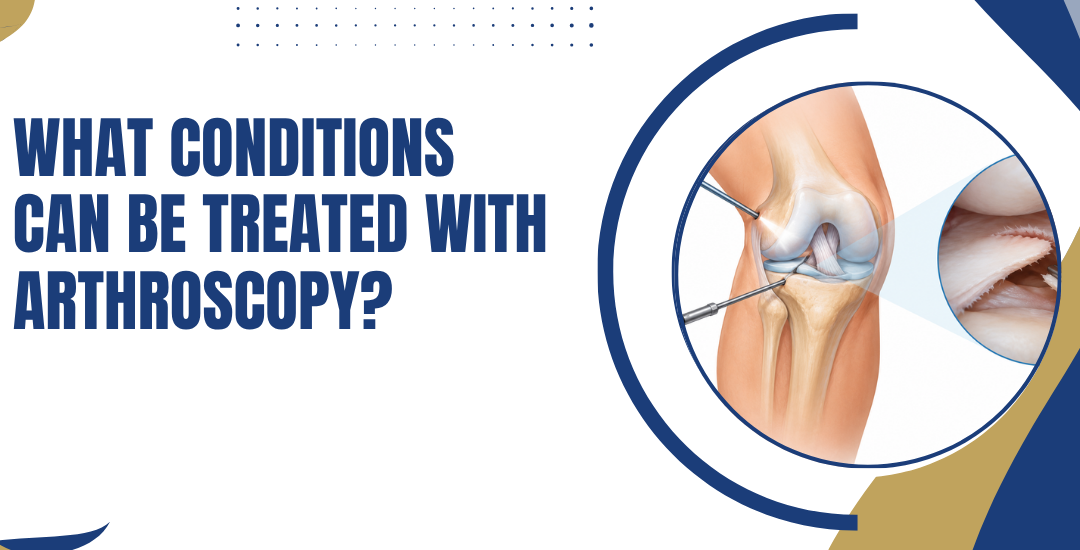
Which Joint Conditions Does Arthroscopy Commonly Treat?
If rest or medication hasn’t touched the pain, arthroscopy treatment is worth a conversation before anything more invasive gets considered.Wider than most patients expect. Spans more joints than they’d guess too
Knee Conditions: Torn meniscus. ACL and ligament injuries. Loose cartilage fragments. Even certain early stages of arthritis get treated this way, not just diagnosed.
Hip Conditions: Labral tears. Femoroacetabular impingement. Snapping hip syndrome. This is where conditions treated by hip arthroscopy keep expanding, the instruments and technique have simply gotten better.
Elbow, Wrist and Ankle Conditions: Smaller joints, sure, but loose bodies, ligament damage and select cartilage injuries respond well here too. Less common than knee or shoulder. Still effective.
Shoulder Conditions: Rotator cuff tears, frozen shoulder, impingement, dislocations that keep coming back, shoulder arthroscopy handles all of it, usually without the open incision traditional surgery needs.
If rest or medication hasn’t touched the pain, arthroscopy treatment is worth a conversation before anything more invasive gets considered.
How Does a Surgeon Decide If Arthroscopy Is the Right Option?
A few things drive that call, consistently.
Imaging Comes First: MRI or ultrasound usually sets the initial direction. However, arthroscopy can reveal findings that scans may miss.
Severity of the Damage Matters: Minor tears and inflammation, arthroscopy handles those well. Advanced degeneration is a different conversation entirely, sometimes a different procedure altogether.
Patient Activity Level Plays a Role: Athletes tend to be strong candidates. Active patients too. Faster return to movement is usually part of why.
Failed Conservative Treatment Is a Common Trigger: Physiotherapy stops helping. Medication stops helping. Rest stops helping. That’s usually the point arthroscopy may be considered.
Curious how this actually stacks up against open surgery in practice? This piece on arthroscopy versus open surgery breaks down the real differences.
Wondering if your joint pain could be treated with arthroscopy?
Why Choose Dr. Parv Mittal for Arthroscopy Treatment?
Dr. Parv Mittal has treated a wide range of joint conditions with arthroscopic technique, over ten years of practice across New Delhi and Firozabad. Diagnosis comes first in his approach, always. Matching the actual damage to the right procedure, not reaching for the same method every time. Patients get a straight answer on whether arthroscopy even fits their joint problem before any decision gets made.
That’s usually the difference. Get the diagnosis right, the recovery tends to follow. Call +91 99908 48807 to book your consultation.
Frequently Asked Questions
Can arthroscopy treat conditions in joints other than the knee?
Yes, it’s commonly used for the shoulder, hip, elbow, wrist and ankle.
What conditions does hip arthroscopy typically treat?
Labral tears, femoroacetabular impingement and snapping hip syndrome are common indications.
Is arthroscopy considered major surgery?
It’s minimally invasive, generally with a shorter recovery than open surgery.
How is arthroscopy different from a standard MRI scan?
MRI only images the joint; arthroscopy allows direct examines and treatment ,if appropriate,during the procedure.
References
PubMed — Indications for Hip Arthroscopy: https://pubmed.ncbi.nlm.nih.gov/28678628/
PubMed — Hip Arthroscopy: Current Indications, Treatment Options, and Management Issues: https://pubmed.ncbi.nlm.nih.gov/14623676/
Disclaimer:
This blog is for educational purposes and doesn’t replace professional medical advice. If you’re considering hip replacement, please consult a qualified orthopedic surgeon.