 English
 हिंदी
हिंदीFracture & Trauma Treatment in Firozabad
Fractures and trauma injuries can occur suddenly, often due to accidents, falls, or sports-related incidents. These injuries can range from simple bone cracks to complex conditions involving joints, ligaments, and surrounding tissues. Without timely and proper treatment, they can lead to long-term complications such as delayed healing, stiffness, or reduced mobility. Immediate evaluation and structured care are essential to restore function and prevent lasting damage.
Dr. Parv Mittal, a noted orthopedic doctor in Firozabad, explains in a simple and practical way, “Not every fracture looks serious from the outside, but the internal damage can be significant. Early diagnosis and the right treatment approach are key to ensuring proper healing and avoiding long-term problems.” He emphasizes timely care and structured treatment for better recovery outcomes.

As a leading provider of fracture & trauma treatment in Firozabad, Dr. Parv Mittal is known for managing both simple and complex injuries. With over a decade of experience and advanced training, he offers precise diagnosis, cutting-edge treatment techniques, and personalized care plans. He ensures that patients receive the most effective treatment and guidance for recovery and long-term mobility.
Not sure if your injury is serious enough to need medical attention? Let’s understand what qualifies as a fracture or trauma condition.
What Counts as a Fracture or Trauma Injury?
A fracture refers to a break in the bone, while trauma injuries may involve bones, joints, ligaments, muscles, or soft tissues. These injuries can occur due to accidents, falls, sports injuries, or sudden impact.
Common signs include:
- Severe pain or swelling
- Difficulty in movement
- Visible deformity or misalignment
- Bruising or tenderness
- Inability to bear weight
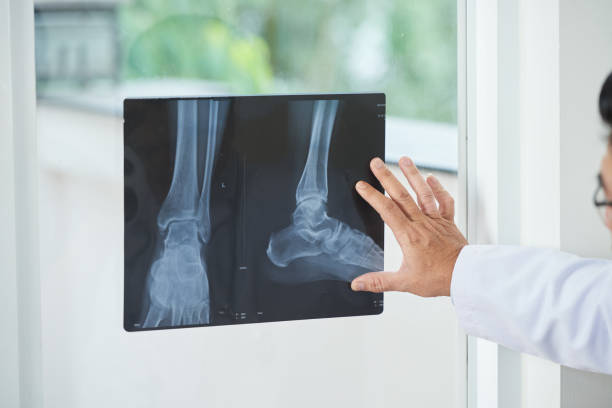
Even minor-looking injuries may require evaluation to rule out hidden damage.
Not all fractures are the same, so how do you know which type you have? Let’s understand the different types of fractures and how each is treated.
Types of Fractures Dr. Parv Mittal Treats
Dr. Parv Mittal deals with variety of fractures ranging from simple injuries to complicated trauma cases. This is done using surgical or non-surgical techniques.
Simple (Closed) Fractures
A clean break in the bone without any skin injury. These are commonly treated with casting or splinting.
Compound (Open) Fractures
The bone breaks through the skin, increasing the risk of infection. These require immediate surgical care and proper wound management.
Comminuted Fractures
When the bone has broken up into multiple pieces. This happens due to high-impact trauma such as accidents. These usually require surgical fixation.
Displaced Fractures
The bone fragments are misaligned, which may be corrected through surgery or manual correction.
Joint (Intra-Articular) Fractures
Fractures involving joints like the hip, knee or shoulder. These require precise treatment to restore joint function and prevent stiffness.
Stress Fractures
This involves small cracks in bones as a result of repetitive strain. Commonly acquired in athletes.
Confused about whether surgery is necessary for your fracture? Let’s break down the treatment options clearly
Surgical vs Non-Surgical Fracture Treatment
The choice between surgical and non-surgical treatment depends on factors like the type of fracture, its location, severity, and overall health condition. The goal is always to ensure proper bone healing, restore function, and prevent long-term complications.
Non-Surgical Fracture Treatment
Non-surgical treatment is recommended when the bone remains properly aligned or can be corrected without surgery.
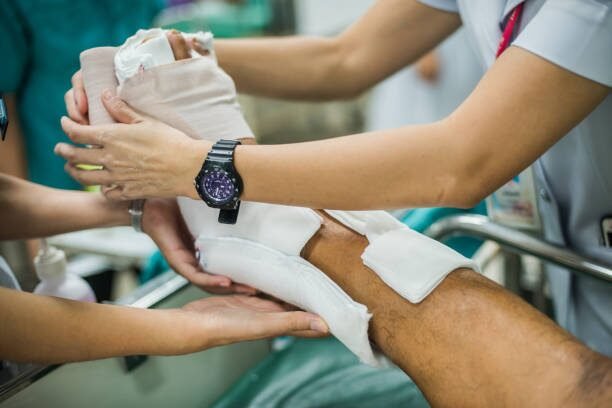
- Casting or Splinting:Immobilizes the bone to allow natural healing
- Pain Management:Medications to reduce discomfort and inflammation
- Activity Modification:Limiting movement to avoid further injury
- Regular Monitoring:Follow-up X-rays to ensure proper healing
This approach is commonly used for simple fractures and stable injuries.
Surgical Fracture Treatment
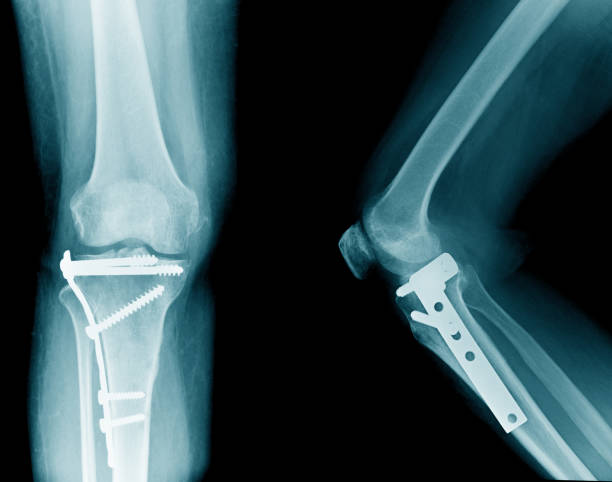
Surgery is required when the fracture is complex, unstable, or misaligned.
- Internal Fixation:Use of plates, screws, or rods to stabilize the bone
- Joint Reconstruction:Required when fractures involve joints
- Realignment of Bones:Ensures correct positioning for proper healing
- Early Mobilization:Helps patients regain movement sooner
Surgical treatment allows better stability and reduces the risk of improper healing in complex cases.
Dr. Parv Mittal highlights, “The decision is not about surgery or no surgery, but about choosing the method that gives the best long-term function and recovery for the patient.”
Trying to understand if surgery is required in your case? Let’s look at the situations in which surgical intervention is necessary.
When Does a Fracture Need Surgery?
Dr. Parv Mittal, an acclaimed orthopedic surgeon in Firozabad, usually recommends surgery when:
Simple (Closed) Fractures
Fracture involves a joint
Multiple bone fragments are present
Open (compound) fractures occur
Healing is not progressing with conservative treatment
Severe trauma or instability is present
Timely surgical intervention helps restore alignment and function effectively.
Worried about how long recovery will take? Let’s understand how proper rehabilitation speeds up healing.
Recovery & Rehabilitation After Fracture Treatment
Recovery depends on the type of fracture and treatment method. A structured rehabilitation plan ensures optimal results.
Early movement to prevent stiffness
Physiotherapy for strength and flexibility
Gradual return to daily activities
Regular follow-ups for monitoring healing
Seeking reliable care for fractures and injuries? Let’s explore what makes Dr. Parv Mittal a trusted choice for fracture and trauma treatment.
Why Patients Trust Dr. Parv Mittal for Fracture & Trauma Care in Firozabad
10+ Years of Clinical Experience
Dr. Parv Mittal brings extensive experience from reputed hospitals in New Delhi and Firozabad, managing both simple and complex trauma cases.
Expert in Fracture & Trauma Management
Dr. Parv Mittal is skilled in treating a wide range of injuries, from minor fractures to high-impact trauma requiring surgical precision.
Pioneer in Advanced Orthopedic Care
Dr. Parv Mittal has introduced modern fracture management techniques and structured treatment protocols in Firozabad.
Precision-Focused Treatment
Emphasis on correct bone alignment and stabilization ensures proper healing and long-term function.
Comprehensive Care Approach
Dr. Parv Mittal oversees every stage, from emergency care to surgery and rehabilitation, ensuring continuity in treatment.
Strong Academic & Surgical Training
Backed by advanced education, fellowships, and continuous learning in orthopedic techniques.

Frequently Asked Questions
1) What should I do immediately after a fracture?
Immobilize the area, avoid movement, and seek medical attention as soon as possible.
2) How do I know if my injury is a fracture?
Symptoms like severe pain, swelling, and inability to move the affected area may indicate a fracture.
3) How long does it take for a fracture to heal?
Most fractures heal within 6–12 weeks, depending on severity and treatment.
4) Can fractures heal without surgery?
Yes, many fractures heal with casting and rest, but some require surgical intervention.
5) Can fractures occur without visible injury?
Yes, stress fractures may not show obvious signs initially, but they may still require treatment.
Disclaimer: The information shared in this content is for educational purposes and not for promotional use.